
A flat tire rarely waits for a convenient moment. It disrupts workdays, family trips, and delivery schedules without warning. When you need to repair a flat tire, quick decisions affect safety and long-term vehicle performance. Many drivers underestimate what proper tire repair entails until they face the problem on the roadside. Knowing what to check, what to avoid, and when to seek professional service keeps you in control and protects your investment.
What It Means to Repair a Flat Tire
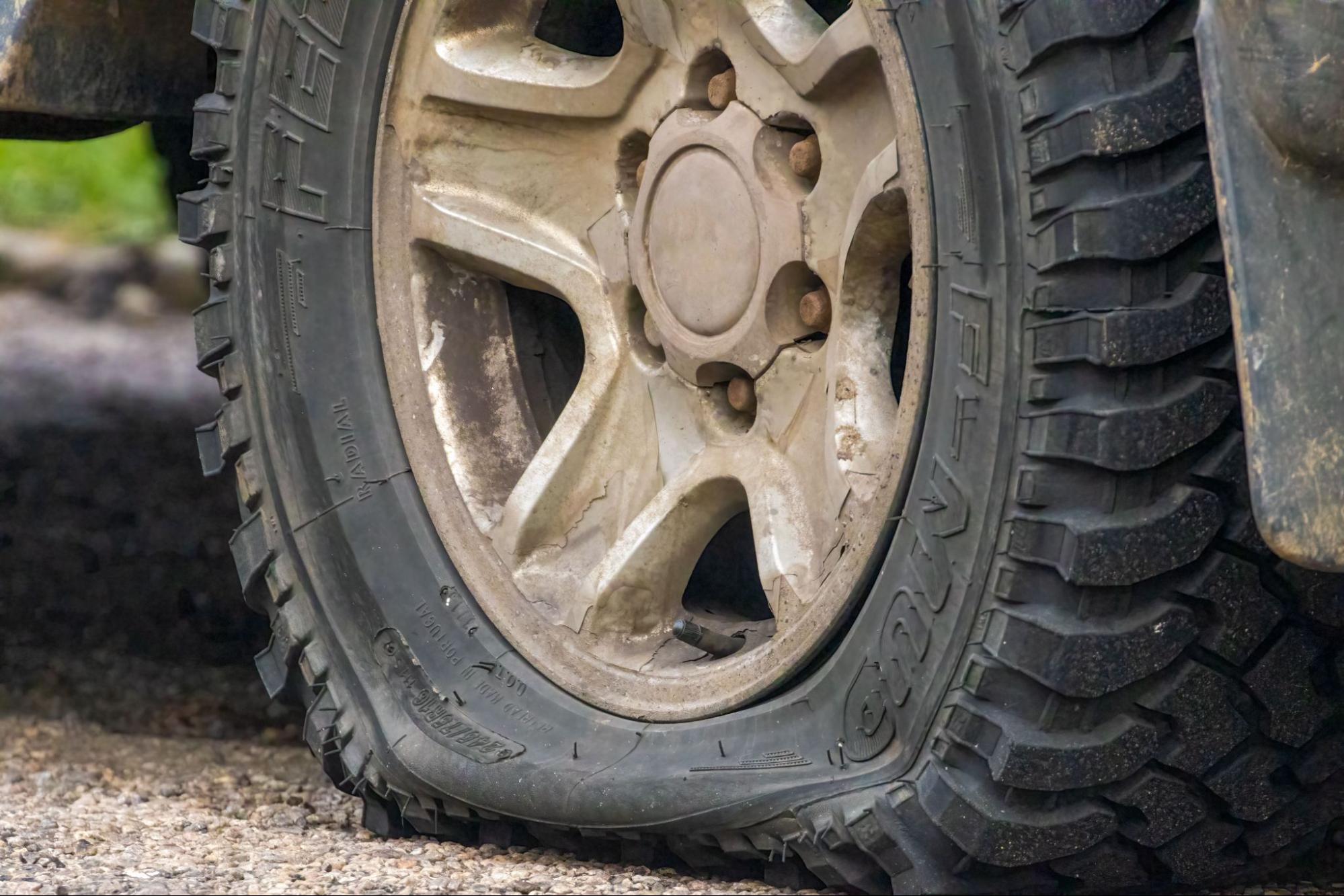
Repairing a flat tire means restoring air retention and structural integrity after a puncture. This process involves inspecting the tire, confirming the damage location, and applying an approved repair method. Drivers must first determine whether the tire meets industry standards for safe repair. Understanding this distinction prevents unsafe fixes and protects vehicle stability at highway speeds.
Common Causes of Tire Punctures
Flat tires usually result from sharp objects penetrating the tread area. Nails, screws, and metal fragments often lodge in rubber, causing slow leaks. Road construction zones and warehouse parking lots increase exposure to these hazards. Temperature changes can also lower pressure, exposing minor leaks that previously went unnoticed. Additionally, damaged valve stems and poor bead seals allow air to escape gradually. Regular tire inspections reduce the likelihood of unexpected breakdowns caused by these common issues.
Repairable vs Non-Repairable Damage
Repairable damage typically includes small punctures within the central tread zone. Industry guidelines, including recommendations from the U.S. Tire Manufacturers Association, limit repairs to holes under one-quarter inch in diameter. Technicians avoid repairing sidewall cuts because that area flexes constantly during driving. Large punctures, shoulder damage, or internal belt separation require full tire replacement. This structural damage weakens the casing and increases the risk of blowouts. Confirming the damage type before any repair protects both passengers and suspension components.
How Tire Construction Affects Repairs
Modern tires contain layers of steel belts and reinforced rubber compounds. This internal structure supports vehicle weight and absorbs road impact. A puncture that damages these belts reduces overall strength. External plugs alone cannot restore compromised internal layers. That structural limitation explains why professional patch-plug repairs provide better durability. Understanding tire construction helps drivers make informed repair decisions.
Tools Required to Fix a Flat Tire
Fixing a flat tire requires specific tools designed for safe lifting and sealing. This equipment ranges from basic roadside kits to professional tire shop machinery. Drivers should match the repair method to the tools available and their skill level. Using proper equipment reduces repeat leaks and uneven wear.
Essential Roadside Tire Repair Tools
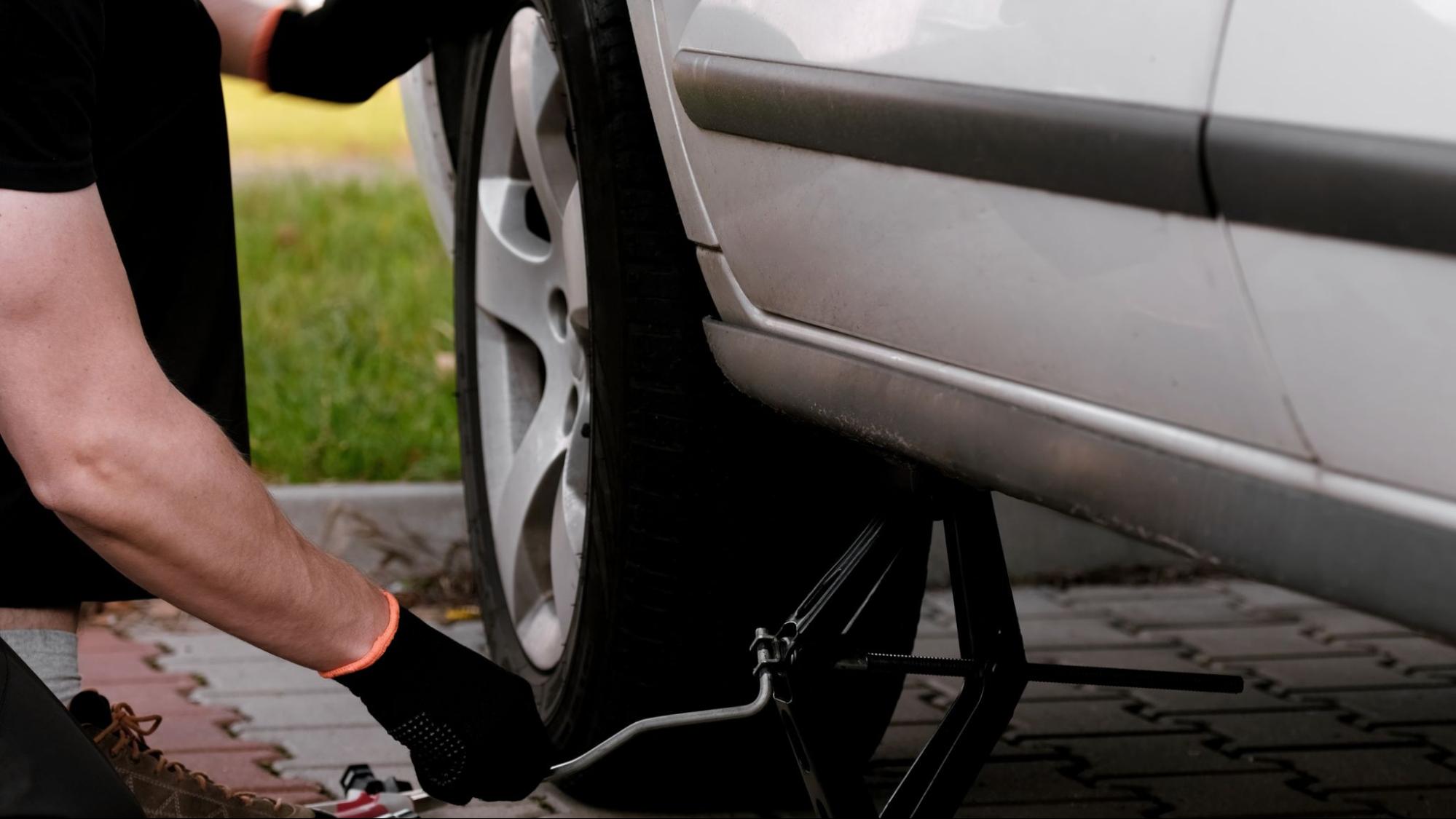
A basic roadside setup includes a jack, lug wrench, and tire plug kit. This kit contains insertion tools and rubber plugs designed for temporary tread repairs. Drivers also need a tire pressure gauge to confirm accurate inflation levels. A portable air compressor restores pressure after plugging the puncture. Gloves protect hands from sharp debris and rough metal edges. These tools support short-term mobility until a qualified technician inspects the tire internally.
Professional Equipment for Permanent Repair
Professional tire repair involves removing the tire from the wheel for internal inspection. Technicians use patch-plug combinations that seal the puncture and reinforce the inner liner. This method provides stronger and longer-lasting results than an external plug alone. Tire shops also rely on balancing machines to correct weight distribution after reinstallation. Proper balancing prevents steering vibration and uneven tread wear. Many reputable service centers follow strict repair standards in line with manufacturer guidelines.
Why Proper Inflation Tools Matter
Accurate inflation directly affects tire longevity and fuel economy. Underinflated tires generate excess heat during driving. This heat buildup accelerates tread wear and weakens internal components. Overinflation reduces road contact and compromises traction. A calibrated pressure gauge helps maintain the manufacturer’s recommended levels. Consistent pressure checks reduce the risk of recurring flats and uneven wear patterns.
Safety Checks Before Tire Repair
Safety checks determine whether you can repair a flat tire without added risk. This preparation includes securing the vehicle and selecting a stable work area. Drivers should always prioritize personal safety over speed. Taking these precautions reduces the risk of injury and prevents vehicle damage.
Securing the Vehicle Correctly
Start by parking on level, solid ground, away from traffic. Engage the parking brake firmly to prevent unintended movement. Place wheel chocks behind the opposite tires to add stability. This positioning step keeps the vehicle steady while elevated. Consult your owner’s manual to identify the correct jack points before lifting. Lifting from the wrong location can damage the frame or cause the vehicle to shift unexpectedly.
Protecting Yourself During the Process
Wear durable gloves and eye protection before handling tools. This protective gear shields against debris and rubber particles. Keep loose clothing away from rotating components and sharp edges. Turn on hazard lights if you are near a roadway. Avoid placing any part of your body beneath the vehicle while supported only by a jack. Controlled, deliberate movements lower the risk of sudden accidents.
Environmental and Traffic Considerations
Busy highways present higher risks during roadside repairs. Passing vehicles create strong airflow that may destabilize your setup. Poor weather conditions reduce visibility and traction. Heavy rain can also affect jack stability on soft ground. If conditions feel unsafe, call for roadside assistance instead of proceeding alone. Personal safety outweighs the convenience of immediate repair.
Step-By-Step Flat Tire Repair Process
The flat tire repair process follows a structured sequence that improves reliability. This sequence includes locating the leak, sealing the puncture, and restoring correct pressure. Drivers should move carefully through each step to avoid repeated air loss. A methodical approach supports safer driving conditions afterward.
Finding and Preparing the Leak Area
Begin by inspecting the tread visually for embedded objects. Remove any nail or screw carefully using pliers. Apply soapy water to the suspected area if the leak is not obvious. Bubbles will form where air escapes from the tire surface. Mark the puncture clearly before inserting a repair plug. This preparation step prevents sealing the wrong location and missing secondary damage.
Alt-text: A mechanic sealing the puncture on a flat tire in an auto shop
Plugging the Tire Correctly
Insert the reaming tool into the hole to clean and slightly widen it. Thread the rubber plug into the insertion tool and push it firmly into place. Pull the tool straight out while leaving the plug seated securely. Trim excess plug material so it sits flush with the tread surface. Inflate the tire to the manufacturer’s recommended pressure listed on the door placard. Monitor pressure over several days to confirm the repair holds.
Internal Patch-Plug Method Explained
Internal patch-plug repair combines a rubber stem and an interior patch. Technicians first remove the tire to inspect internal damage. They clean and buff the inner liner before applying adhesive. The patch seals the inner surface while the plug fills the puncture channel. This dual-seal approach strengthens the repair area. Many industry experts consider this method the most reliable permanent solution.
Post-Repair Inspection and Testing
After completing the repair, check the tire for air leaks again. Reapply soapy water to confirm a proper seal. Drive at moderate speeds initially to observe handling. Pay attention to steering vibration or unusual sounds. Schedule a professional inspection if anything feels abnormal. Follow-up checks reduce the risk of unexpected failure.
Repair or Replace a Damaged Tire
Repairing or replacing a damaged tire depends on the tread condition and structural health. This evaluation considers puncture size, location, and remaining tread depth. Drivers must also account for vehicle type, especially all-wheel-drive systems that require matched tire wear. Making the correct decision protects handling, braking performance, and long-term costs.
When Repair is a Practical Option
Repair works best for newer tires with adequate tread depth. The puncture must sit within the central tread and remain within approved size limits. Repairing a qualifying tire costs far less than buying a new one. This cost advantage benefits drivers managing tight maintenance budgets. However, technicians typically limit the number of repairs per tire. Multiple patches weaken overall structural reliability and increase the risk of future failure.
When Tire Replacement is Safer
A replacement is necessary when damage affects the sidewall or shoulder. This area cannot support a safe patch due to constant flexing during motion. Deep cracks, bulges, or extensive tread wear also justify installing a new tire. Driving on compromised rubber increases stopping distance and the risk of hydroplaning. Although replacement costs more upfront, it delivers greater long-term stability. Reliable tire performance supports safer daily commuting and extended highway travel.
Cost Comparison and Long-Term Value
Flat tire repair typically costs a fraction of the cost of new tire installation. Prices vary by region and service provider. However, repeated repairs on an aging tire reduce long-term value. Investing in a new tire may improve fuel efficiency and ride comfort. Balanced tread depth across all wheels also protects drivetrain components. Careful cost evaluation supports smarter maintenance decisions.
Address Flat Tire Issues Without Delay
Addressing tire pressure loss promptly reduces roadside emergencies and costly breakdowns. This proactive response protects fuel efficiency and prevents uneven tread wear. Drivers who understand how to repair a flat tire make informed decisions under pressure. Regular inspections, proper tools, and professional follow-up service keep your vehicle dependable and ready for the road ahead.
Stay informed before small tire issues turn into bigger repairs. Head to the Howard Fleet & Tire Service blog for professional tips built for real-world drivers and fleets.