
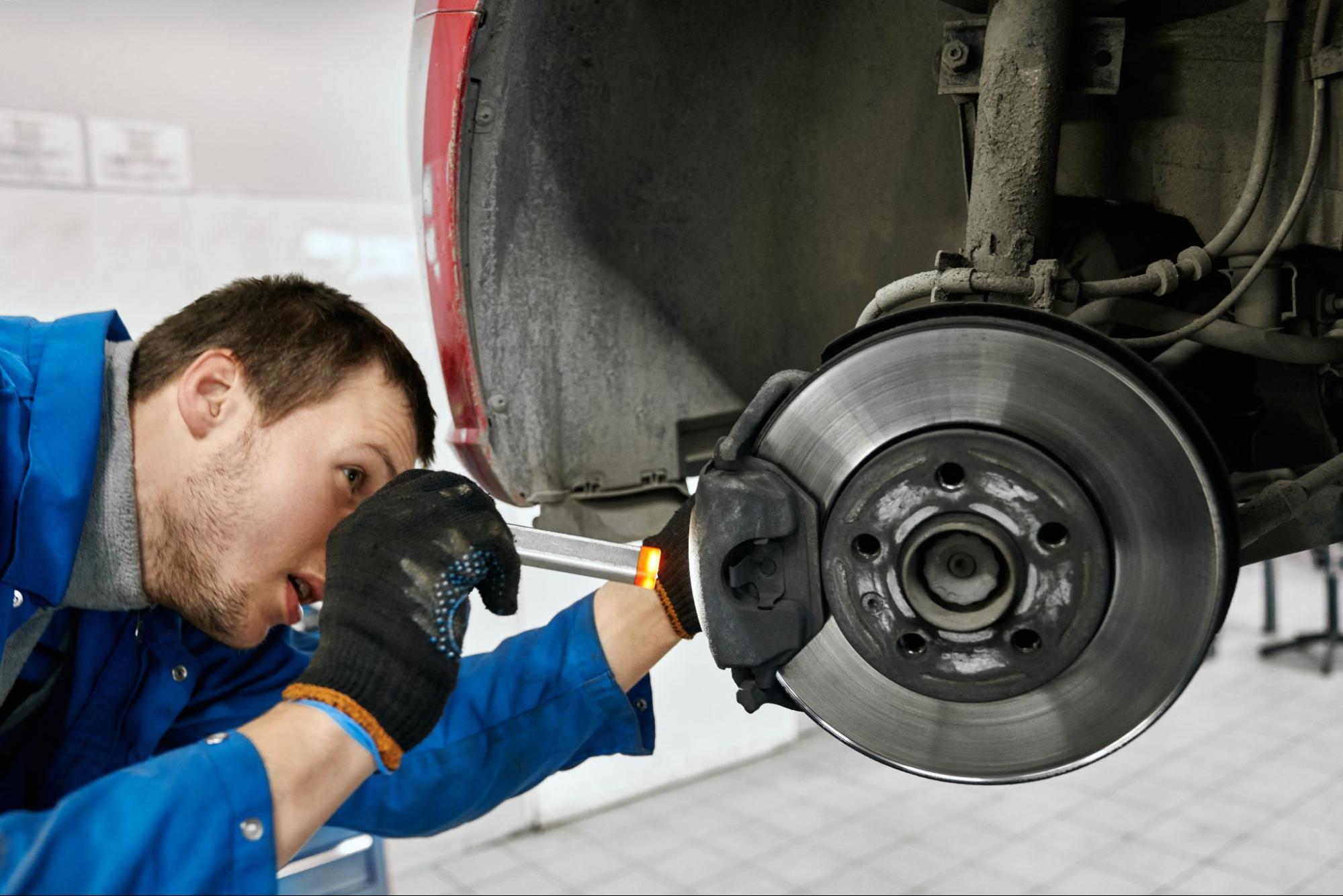
Brake repair prices often feel unpredictable until you understand what shapes them. One driver may pay a modest amount for new pads, while another faces a far higher bill for the same vehicle size. That difference usually reflects parts quality, labor rates, and driving habits rather than guesswork. When you know what influences brake service costs, you gain control over repair decisions and avoid financial surprises.
Brake Service Type and Cost Range
Brake repair prices depend first on the exact service your vehicle needs. A basic brake pad replacement costs far less than replacing rotors and calipers together. Shops calculate pricing based on parts, labor time, and system complexity. Understanding the type of brake service required gives you a clear starting point for evaluating any estimate.
Brake Pad Replacement Costs
Brake pad replacement ranks as the most common brake service and usually forms the base of most repair estimates. Pads press against rotors to generate friction, slowing your vehicle when you apply the pedal. Organic pads cost less but wear out faster under heavy traffic. Semi-metallic pads last longer but may produce more noise and brake dust. Ceramic pads cost more upfront but often provide quieter operation and a longer lifespan. Based on recent industry service data from national repair networks, pad replacement costs vary widely by vehicle type and material choice.
Rotor Resurfacing vs Replacement Pricing
Rotor service directly affects brake repair prices because rotors absorb intense heat during braking. Resurfacing removes a thin layer of metal to smooth minor grooves and restore contact between the mating surfaces. Many modern rotors, however, lack enough thickness for safe machining. Replacement is necessary when rotors warp, crack, or fall below the manufacturer’s specifications. New rotors increase parts costs and extend labor time. This rotor decision often doubles the total compared to pad replacement alone.
Caliper Repairs and Hydraulic Costs
Caliper repair increases brake repair prices because it involves hydraulic components that control pad pressure. A sticking caliper can cause uneven pad wear and reduced stopping power. Technicians may rebuild a caliper by replacing internal seals. Replacement costs more but offers stronger long-term reliability. After caliper work, the technician must bleed the brake system to remove trapped air. This hydraulic process adds labor time and fluid costs to the final invoice.
Key Factors Behind Brake Repair Costs
Brake repair costs vary because several mechanical and practical elements influence the final invoice. Repair shops calculate pricing based on component wear, labor intensity, and vehicle design. Drivers often focus on the total number without seeing how each variable adds to it. Understanding these core influences prepares you for the detailed cost factors explained next.
Vehicle Make and Model Influence
Vehicle design directly changes how much you pay for brake work. Compact sedans often use smaller components that are easier and cheaper to replace. Larger vehicles require heavier-duty parts that increase expenses. The make and model determine part availability, labor time, and overall service complexity.
Economy Cars vs Luxury Vehicles
Brake repair prices for economy vehicles usually remain lower because parts are widely available. Manufacturers produce these components in high volume, keeping prices competitive. Luxury brands often use performance rotors or multi-piston calipers. These specialized systems raise parts costs and require trained technicians. Dealerships may charge higher labor rates for brand-certified service. This luxury factor often pushes total brake expenses well above average market rates.
SUVs, Trucks, and Heavy Vehicles
SUVs and trucks cost more to service because their weight demands stronger braking systems. Larger rotors and thicker pads use more raw materials. Heavier vehicles also generate greater heat during braking. Heat accelerates wear and shortens service intervals. Labor time may increase due to component size and wheel assembly weight. This added stress increases long-term maintenance costs for brakes.
Electric and Hybrid Brake Systems
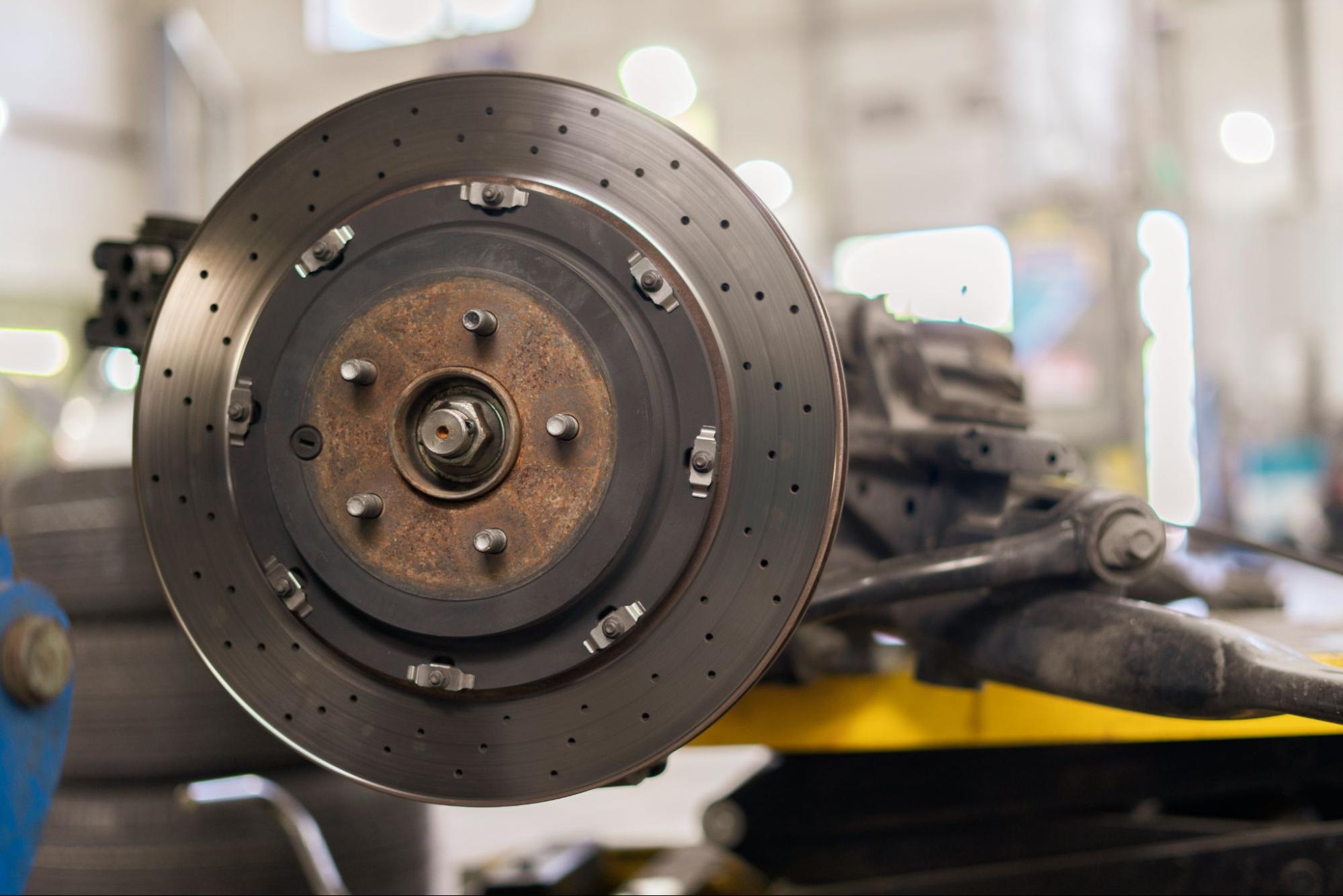
Electric and hybrid vehicles use regenerative braking, which slows the car using the electric motor. This regenerative system reduces physical brake wear in many cases. However, when traditional brakes require service, components may be specialized. Some models integrate electronic parking brakes that require diagnostic tools for repair. Technicians must follow manufacturer-specific procedures. This hybrid complexity can influence both labor charges and total repair pricing.
Parts Quality and Brand Selection
Parts quality directly affects both current brake repair prices and future expenses. Drivers typically choose between original equipment manufacturer parts and aftermarket alternatives. Each option carries different durability levels and warranty coverage. Selecting the right parts balances upfront cost with long-term reliability.
OEM Brake Parts and Pricing
OEM brake parts match the specifications set by your vehicle’s manufacturer. These components usually cost more because they meet factory design standards. Dealerships often recommend OEM parts to maintain warranty compliance. Many drivers appreciate the predictable performance and fit. Although initial costs may appear higher, replacement intervals often remain consistent. This OEM choice can reduce repeat visits over several years.
Aftermarket Brake Component Options
Aftermarket parts vary widely in quality and price. Budget versions appeal to drivers seeking lower immediate bills. Some lower-cost pads may wear faster under daily commuting conditions. Premium aftermarket brands offer improved heat resistance and longer service life. Independent shops often recommend mid-range options for balanced performance. This aftermarket flexibility allows you to tailor brake repair costs to your driving needs and budget.
Labor Rates and Shop Location Factors
Labor accounts for a large share of brake repair costs in most markets. Repair shops charge hourly rates based on technician expertise and operating costs. Location also influences overhead expenses such as rent and utilities. Comparing service providers helps you understand local pricing standards.
Dealership vs Independent Shop Rates
Dealership service departments usually charge higher hourly rates. They employ brand-trained technicians and use manufacturer-approved tools. Independent repair shops often operate with lower overhead. Many independent technicians bring years of multi-brand experience. Labor savings can substantially reduce total brake repair bills. This shop comparison allows vehicle owners to balance cost with specialization.
Regional Pricing and Cost of Living
Geographic location affects brake repair prices through cost-of-living differences. Urban areas often have higher labor rates due to higher rents and wages. Some states also require environmental disposal fees for brake materials. Rural regions may offer lower hourly charges but fewer parts suppliers. Local competition can influence how shops set pricing. This regional variation explains why identical brake services cost different amounts across cities.
Additional Repairs That Increase Costs
Brake inspections sometimes reveal related issues that raise the total estimate. Worn components rarely fail alone within the braking system. Technicians may recommend added services to maintain safety and reliability. Addressing these related repairs prevents more serious mechanical damage.
Brake Fluid Flush and System Bleeding
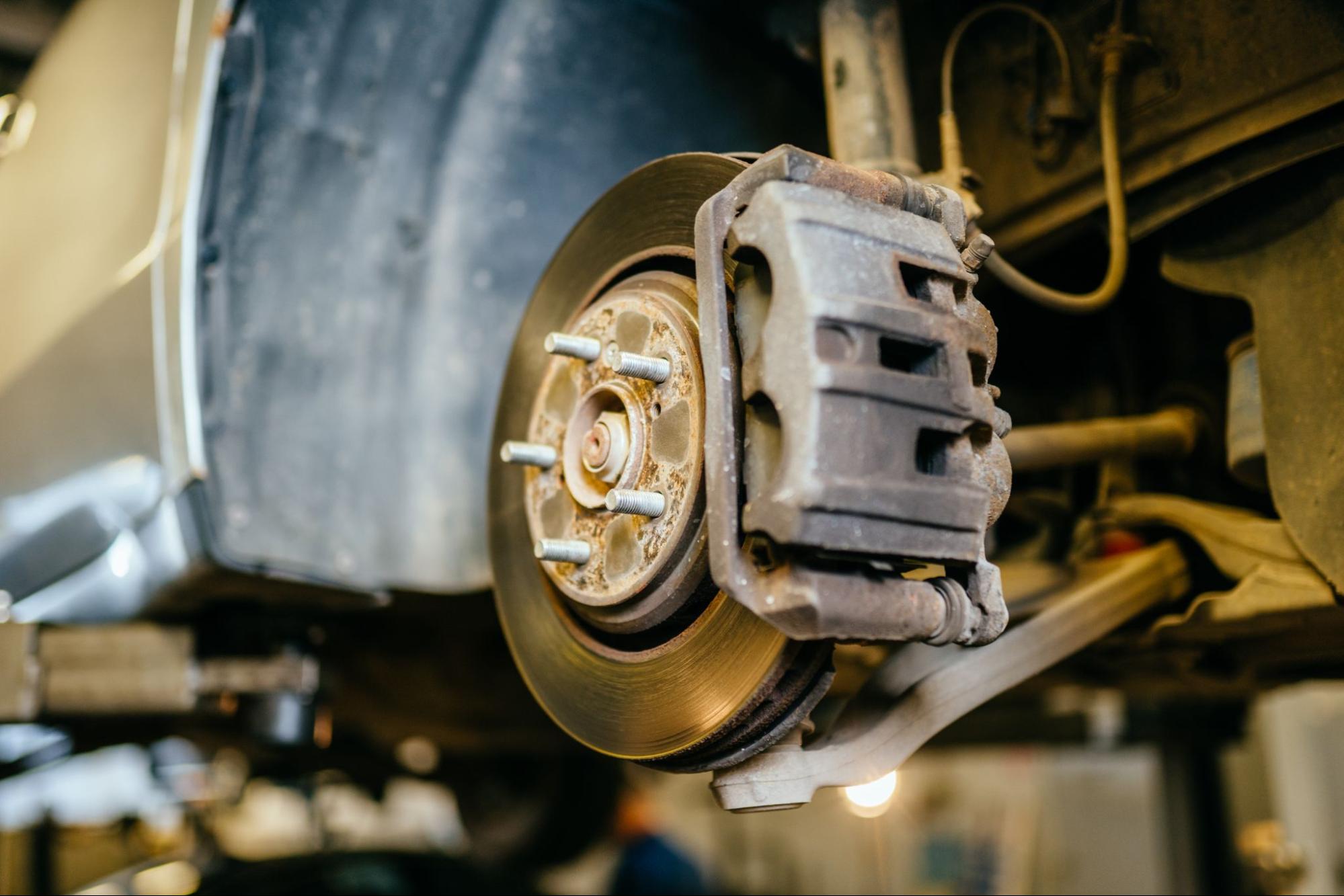
Brake fluid transfers force from the pedal to the calipers. Over time, moisture contaminates the fluid, reducing braking efficiency. Technicians recommend periodic fluid flushes based on manufacturer intervals. When replacing calipers or brake lines, the system must be bled. Bleeding removes trapped air that can cause a soft pedal feel. This maintenance step incurs a moderate cost but ensures consistent braking performance.
Sensors, Hardware, and Electronics
Modern braking systems include wear sensors and anti-lock braking components. A faulty sensor may trigger dashboard warning lights. Diagnostic testing determines whether the issue involves wiring or part failure. Hardware kits with clips and shims are often included with pad replacements. These small components prevent vibration and uneven wear. This electronic integration improves safety but increases repair complexity and pricing.
Driving Habits and Maintenance History
Driving behavior directly influences how often you face brake repair costs. Frequent hard stops create excessive friction and heat. Delayed maintenance allows minor wear to escalate into more extensive damage. Consistent inspections help stabilize long-term service expenses.
Aggressive Driving and Traffic Patterns
Heavy traffic forces drivers to brake repeatedly within short distances. Each stop generates heat that wears pads and rotors. Aggressive braking compounds this stress on components. City commuters often replace brake parts more frequently than highway drivers. Over time, repeated service increases total ownership costs. This driving pattern explains why two similar vehicles may show different repair histories.
Delayed Service and Compounded Damage
Ignoring squealing or grinding noises often leads to higher brake repair costs. Worn pads can score rotors when left unattended. Rotor damage requires replacement rather than simple resurfacing. That escalation increases both parts and labor charges. Regular inspections at trusted service centers help identify wear before it spreads. This maintenance discipline keeps brake expenses more predictable and controlled.
Hidden Economics of Brake Engineering
Brake repair prices often trace back to decisions made long before you bought the vehicle—automakers design braking systems under strict cost, weight, and regulatory targets. Engineers must balance performance, durability, fuel economy standards, and manufacturing budgets. These engineering trade-offs quietly shape how often components wear and how much future brake service will cost.
Factory Cost Targets and Brake Design
Manufacturers set strict per-vehicle cost targets during production planning. Engineers select rotor size, pad material, and caliper design within those financial limits. Larger rotors improve heat control but increase raw material expenses. Thinner rotors reduce weight and manufacturing cost but may limit resurfacing options later. Some compact designs save space but complicate future repairs. This factory budgeting process directly influences long-term brake repair pricing for owners.
Weight Reduction and Wear Patterns
Vehicle weight affects both fuel economy and brake longevity. Automakers often reduce unsprung weight, which includes brake components, to improve efficiency. Lighter rotors and smaller assemblies support mileage goals. However, reduced mass absorbs less heat during repeated braking. Excess heat accelerates pad wear and can cause rotor warping. This weight-saving strategy sometimes shifts cost savings from production to future maintenance.
Emissions Standards and Material Choices
Environmental regulations also shape brake system design. Governments restrict certain materials used in brake pads due to copper content and particulate emissions. Manufacturers reformulate pad compounds to meet compliance standards. These alternative materials may change wear characteristics and heat tolerance. Some newer compounds balance environmental goals with durability, though performance varies by driving conditions. This regulatory influence subtly affects both replacement intervals and part pricing.
Platform Sharing Across Vehicle Lines
Automakers often build multiple models on a single platform. A shared brake system reduces development and tooling expenses. Engineers may design one system to serve both lighter and heavier trims. In heavier versions, the same components may wear more quickly. Owners of upgraded trims sometimes notice more frequent brake service. This platform efficiency benefits manufacturing budgets but can alter long-term maintenance patterns.
Reduce Future Brake Repair Prices
Brake repair prices respond directly to how consistently you invest in routine auto care. Regular inspections, fluid checks, and timely pad replacements cost far less than expanded rotor or caliper repairs. When you treat brake maintenance as part of your broader auto care strategy, you control wear rather than react to damage. Schedule consistent brake evaluations with a trusted auto care provider to keep your long-term repair costs steady and manageable.
For practical insights that help you manage vehicle costs with confidence, visit the Howard Fleet & Tire Service blog and explore expert guidance tailored to today’s drivers.