
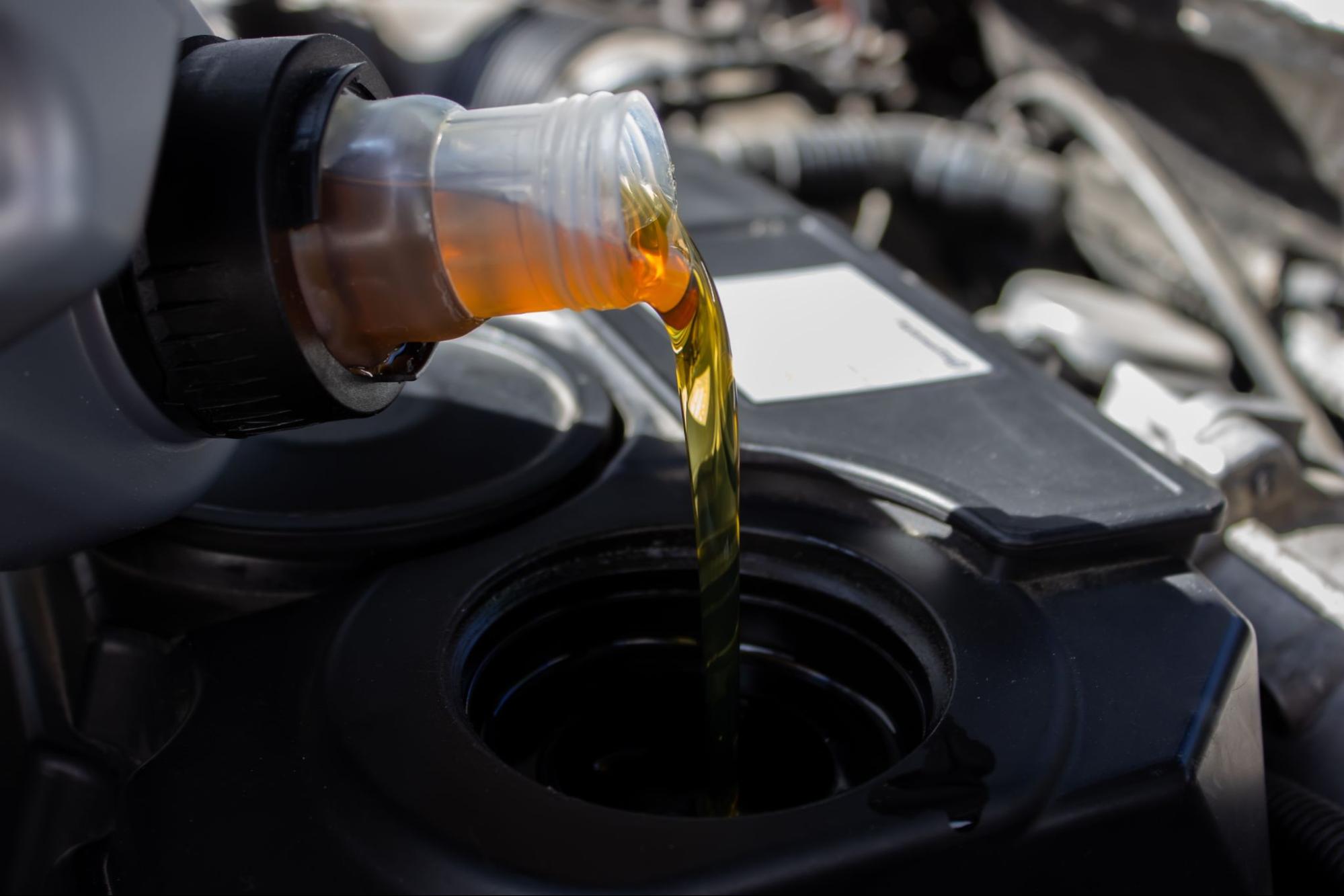
You count on your vehicle for work, errands, and family trips, yet engine oil rarely gets attention until something feels off. Drivers often hear conflicting advice about oil change frequency, which creates doubt about the right schedule. Some repair shops still mention 3,000 miles, while newer vehicles recommend much longer intervals. So how often should you change your car’s oil to protect performance and avoid costly repairs? The answer depends on your manufacturer’s guidance, your driving habits, and the type of oil inside your engine.
Why Engine Oil Matters for Your Engine
Engine oil lubricates, cools, and cleans internal components, allowing them to operate smoothly. This lubricant reduces friction between metal parts that move thousands of times per minute. It also carries heat away from critical areas and traps contaminants until the filter removes them. When oil loses strength or becomes dirty, engine wear accelerates, and repair risks increase.
How Motor Oil Protects Engine Parts
Motor oil forms a protective film between pistons, bearings, and crankshaft surfaces. This protective layer prevents metal contact that would otherwise cause rapid wear. It also reduces heat created by friction during acceleration and highway driving. Clean oil supports proper compression, which helps maintain fuel efficiency and steady power output. As oil circulates, it collects soot and combustion debris. The oil filter captures those particles, but once the oil degrades, it can no longer effectively shield components.
Oil’s Role in Fuel Efficiency and Power
Engine oil directly affects how efficiently your vehicle uses fuel. This lubrication support reduces internal resistance, allowing smoother rotation of components. When friction stays low, the engine requires less energy to operate. Lower energy demand translates into better fuel economy over time. Dirty oil increases drag, which forces the engine to work harder. Maintaining fresh oil helps preserve both performance and long-term efficiency.
What Happens When Oil Breaks Down
Oil breaks down because of heat, pressure, and chemical reactions inside the engine. This breakdown process weakens the effectiveness of additives designed to fight corrosion and sludge. As a result, the oil thickens and flows less efficiently through narrow passages. Sludge may begin forming around valves and piston rings. Restricted flow increases friction and internal temperatures. Over time, that cycle leads to premature engine wear and higher repair costs.
Is the 3,000-Mile Oil Change Outdated?
For most modern vehicles, the 3,000-mile oil change interval no longer reflects current engineering standards. This guideline originated decades ago, when engines and oil formulas lacked the durability of today’s. Advancements in synthetic blends and engine design now support longer service intervals. However, some driving conditions still justify shorter timelines.
Origins of the 3,000-Mile Rule
The 3,000-mile rule began when older engines ran hotter and produced more contaminants. This historical recommendation offered a wide safety margin against sludge buildup. Conventional oils, at the time, broke down quickly under stress. Service centers adopted the interval as a simple message drivers could remember. Over time, the advice became routine, even as technology improved. Today’s vehicles operate under very different conditions.
Modern Engines and Oil Technology
Modern engines use tighter tolerances and improved cooling systems that reduce oil stress. This engineering approach allows oil to maintain viscosity, which means thickness and flow stability, for longer periods. Synthetic oils contain advanced additives that resist breakdown at high temperatures. Many manufacturers now recommend oil changes between 5,000 and 10,000 miles. Some high-efficiency models exceed that range under normal driving conditions. Always verify your specific model’s schedule in the owner’s manual.
When 3,000 Miles Still Makes Sense
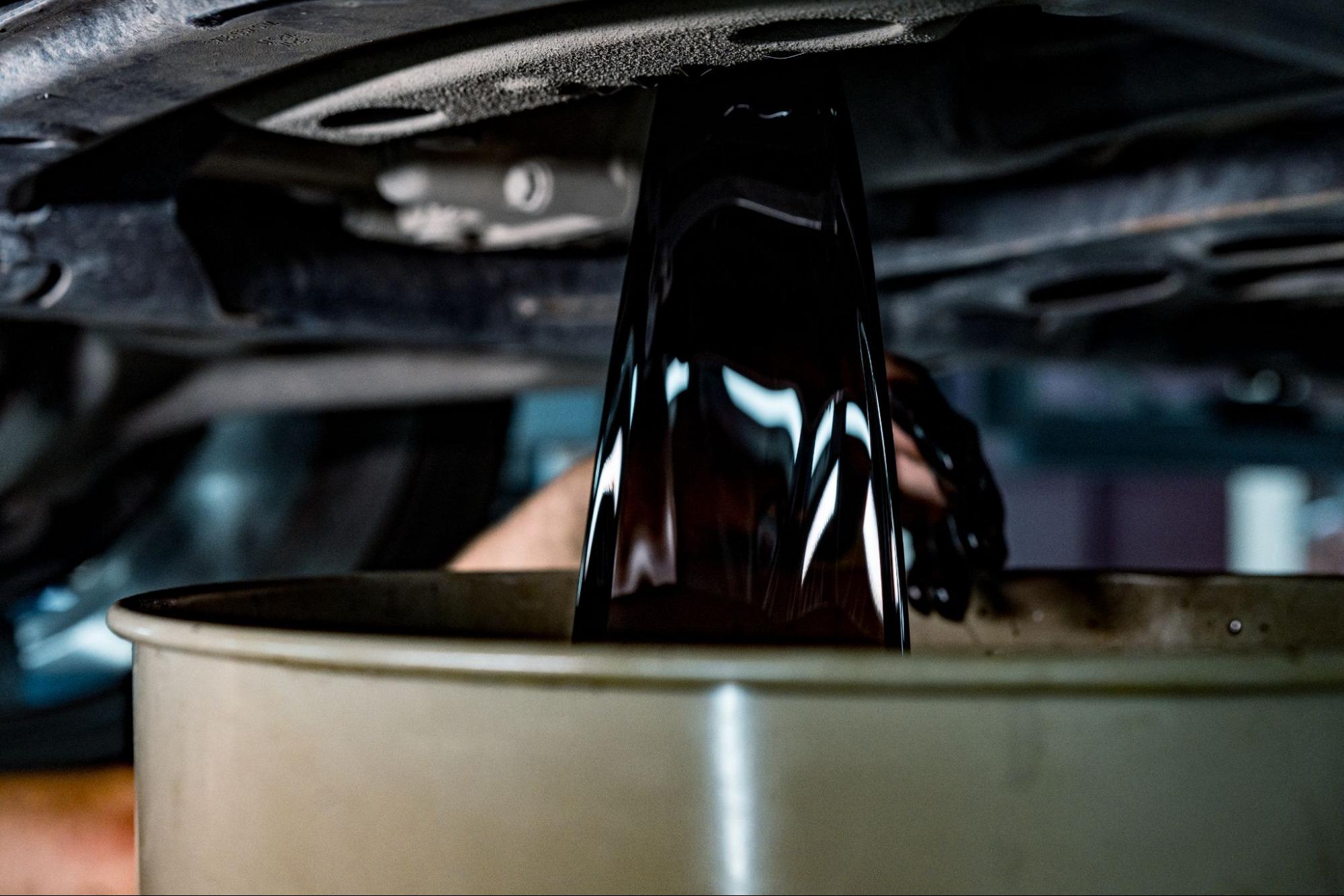
Some vehicles and driving patterns still justify shorter oil change intervals. This situation often applies to older engines with higher mileage. Engines that burn oil or show minor leaks may require closer monitoring. Frequent towing, delivery driving, or extreme climates can also quickly reduce oil life. In those cases, a 3,000- to 5,000-mile interval may provide added protection. Base your decision on actual usage rather than habit alone.
Manufacturer Oil Change Recommendations
Your owner’s manual provides the most accurate oil change interval for your vehicle. This manufacturer guidance reflects testing under controlled conditions and real-world scenarios. It considers engine size, oil capacity, and expected performance standards. Following that schedule protects warranty coverage and long-term reliability.
How to Read the Oil Change Schedule
The manual lists both normal and severe service intervals. This severe category often includes short trips, heavy traffic, and extreme temperatures. Many drivers unknowingly fall into that category due to their daily commuting patterns. If you drive mostly in city traffic, you may need more frequent oil changes. The schedule also specifies oil type and viscosity, such as 5W-30. Using the correct grade supports optimal lubrication and fuel economy.
Understanding Oil Life Monitoring Systems
Many newer vehicles include an oil life monitoring system that tracks engine conditions. This system calculates oil wear using data such as temperature, load, and driving patterns. It does not simply count miles driven. Instead, it estimates remaining oil life based on actual usage. When the dashboard displays a reminder, you should schedule service soon. Trust this system guidance, but confirm intervals with your manufacturer’s recommendations.
Why Following Manufacturer Guidance Matters
Manufacturer recommendations protect both engine performance and warranty coverage. This guidance results from extensive testing under varied driving conditions. Automakers analyze engine wear patterns before setting service intervals. Ignoring these intervals can complicate warranty claims if problems arise. Service records also enhance your vehicle’s resale value. Staying aligned with factory guidance ensures consistent long-term maintenance.
Driving Habits Affect Oil Change Frequency
Driving style and environment directly influence how quickly oil degrades. This driving factor explains why identical vehicles can require different service intervals. Short trips, towing, and extreme climates increase engine stress. Adjusting your oil change schedule based on these realities protects your engine.
Short Trips and Stop-And-Go Driving
Frequent short trips prevent oil from reaching full operating temperature. This incomplete warm-up allows moisture and fuel residue to remain in the crankcase. Stop-and-go traffic adds repeated acceleration, which increases heat and friction. Over time, contaminants accumulate more quickly in these conditions. Drivers in dense urban areas often face this pattern daily. Shorter oil change intervals help counteract that added strain.
Highway Driving and Long Commutes
Highway driving at steady speeds tends to be easier on engine oil. This consistent operation allows oil to circulate efficiently and burn off contaminants. Engines running at stable temperatures experience less thermal shock. As a result, oil maintains protective qualities for a longer period. Drivers who log mostly highway miles may safely follow extended intervals. Always stay within the limits set by your manufacturer.
Extreme Weather and Heavy Loads
Extreme heat accelerates oil oxidation and reduces viscosity stability. This oxidation process weakens the oil’s ability to protect engine components. Cold weather thickens oil during startup, which increases temporary friction. Towing trailers or carrying heavy cargo also raises engine temperatures. Those added stresses shorten oil life compared to mild conditions. Adjust your service schedule if you regularly drive under these circumstances.
High Mileage Vehicles and Oil Consumption
High-mileage engines often consume more oil between changes. This increased consumption may result from worn seals or piston rings. Drivers should check oil levels more frequently in older vehicles. Low oil levels reduce lubrication and increase friction quickly. Topping off oil helps temporarily, but it does not replace full service. Scheduling timely oil changes supports aging engines and reduces breakdown risks.
Conventional vs. Synthetic Oil Intervals
The type of oil in your engine affects how often you should replace it. This oil choice influences durability, performance, and maintenance frequency. Conventional oil costs less but breaks down sooner under stress. Synthetic oil lasts longer and performs better in temperature extremes.
Performance Differences Between Oil Types
Synthetic oil contains refined base stocks and advanced additives. This formulation resists thermal breakdown and maintains stable viscosity. Conventional oil may thicken or thin more quickly in harsh conditions. Many modern engines require synthetic oil to meet performance standards. Using the wrong oil type can affect warranty coverage. Always confirm the recommended specification before service.
Can Synthetic Oil Extend Change Intervals?
Synthetic oil often supports intervals between 7,500 and 10,000 miles. This extended range depends on driving habits and manufacturer approval. Marketing claims may advertise longer periods, but guidelines remain the final authority. You should still check oil levels regularly using the dipstick. Dark color alone does not always indicate failure, but gritty texture suggests contamination. Combine oil type, vehicle guidance, and driving conditions to set a realistic schedule.
Understanding the Science of Oil Degradation
Engine oil degrades through heat, oxidation, contamination, and mechanical stress, which gradually weaken its protective properties. This oxidation process occurs when oxygen reacts with heated oil molecules, leading to thickening and sludge formation in the engine. Additives such as detergents and anti-wear agents also deplete over time as they neutralize acids and trap contaminants. As these additives break down, the oil loses its ability to control corrosion, friction, and internal deposits. Shear forces within the engine can reduce viscosity, causing the oil to thin and fail to maintain a stable lubricating film. Understanding this breakdown process explains why oil change intervals depend on more than mileage alone and why timely service protects long-term engine performance.
Warning Signs You Need an Oil Change
Clear warning signs often indicate that your oil needs to be replaced. This engine feedback appears through dashboard alerts or performance changes. Ignoring these signals increases the risk of internal damage. Paying attention helps you address issues before repair costs climb.
Dashboard Lights and Engine Noises
An oil change reminder light signals that the calculated oil life is low. This warning differs from the oil pressure light, which indicates lubrication problems. Low oil pressure requires immediate attention to avoid engine damage. You may also hear knocking or ticking sounds when oil degrades. These noises result from reduced lubrication between moving parts—schedule service promptly if you notice these changes.
Checking Oil Level and Condition
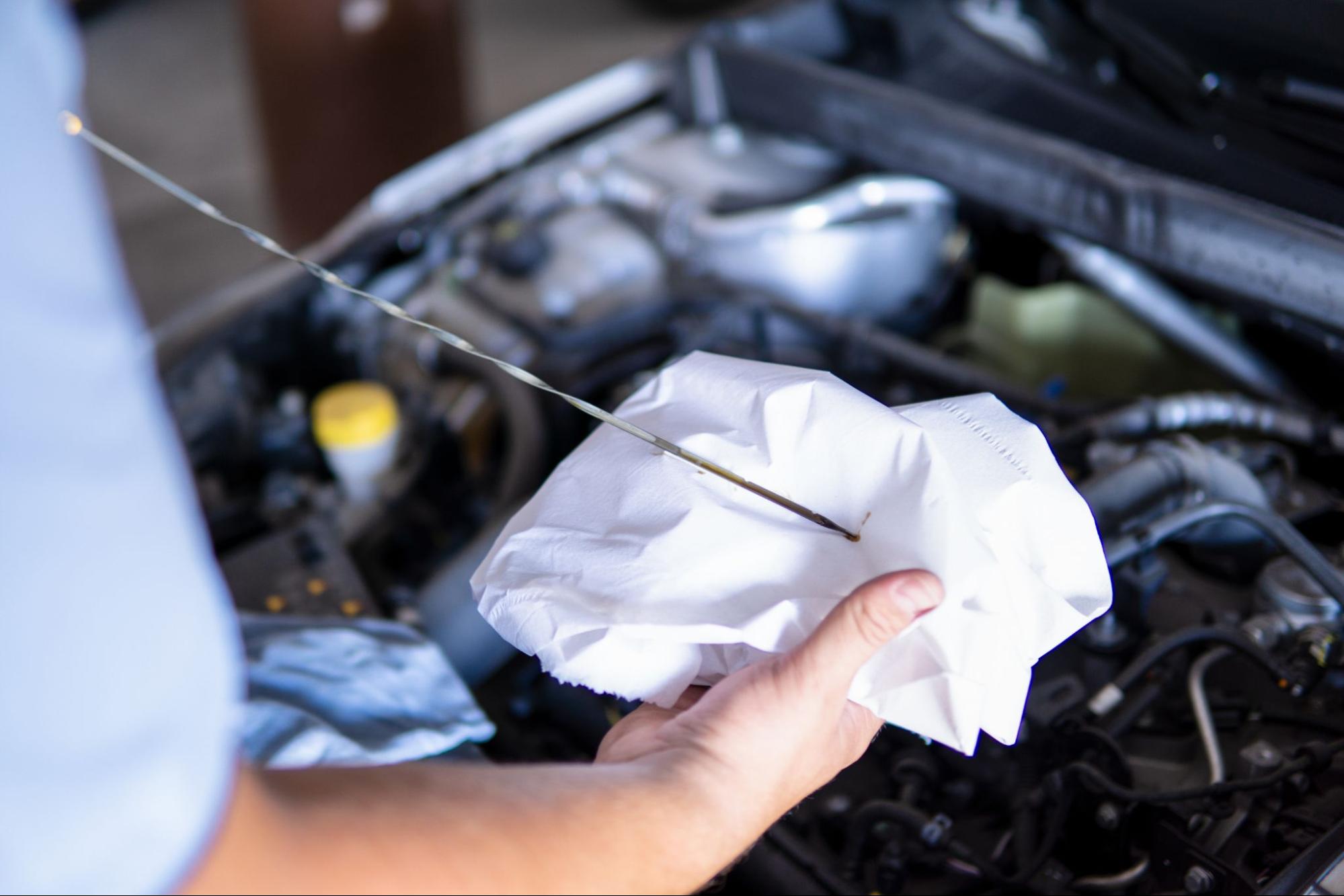
You can check the oil level using the dipstick under the hood. This inspection process takes only a few minutes and requires a level surface. Remove the dipstick, wipe it clean, and reinsert it fully. Then pull it out again to read the level markings. Oil that appears gritty or smells burnt may need to be replaced. Performing this check monthly helps you track engine health between services.
Burning Smell or Exhaust Smoke
A burning oil smell inside the cabin often signals a leak or overheated oil. This odor may occur when oil drips onto hot engine components. Blue or gray exhaust smoke can also indicate oil burning inside the combustion chamber. Low oil levels or worn seals are common causes of this issue. Ignoring these symptoms can lead to more serious internal damage. Schedule a professional inspection if you notice persistent smells or unusual exhaust smoke.
Schedule Oil Changes Before Engine Wear Starts
Knowing how often you should change your car’s oil helps you avoid unnecessary repairs and protect your engine’s long-term health. Follow your manufacturer’s interval, adjust for your driving habits, and monitor oil condition between services. Routine oil changes, along with professional auto services such as inspections and filter replacements, support reliable performance year-round. Review your maintenance schedule and book your next service to keep your vehicle operating at its best.
Want practical maintenance advice you can actually use? Visit the Howard Fleet & Tire Service blog for clear guidance that keeps your vehicle running at its best.