
Owning a vehicle gives you independence, yet rising repair costs can quickly erode that freedom. Many drivers overlook simple car maintenance tips until a breakdown forces them to take urgent action. Small service decisions often determine whether you face routine expenses or overwhelming repair bills. Drivers who follow practical vehicle care advice spend less over time and avoid disruptive shop visits. Smart upkeep habits protect both your transportation and your financial stability.
Why Smart Car Maintenance Saves You Money
Preventive car maintenance reduces long-term ownership costs by preventing costly mechanical failures. Drivers who follow a consistent service routine avoid sudden breakdowns and inflated repair invoices. Preventive care spreads expenses over manageable intervals instead of concentrating them into a single, overwhelming bill. This proactive approach keeps vehicles reliable while protecting household budgets.
Preventive Maintenance vs Costly Repairs
Preventive maintenance means servicing your vehicle before problems escalate into expensive damage. Routine oil changes, inspections, and fluid checks cost far less than replacing damaged engine or transmission components. Drivers who delay service often face compounded issues that require larger repairs. Emergency visits also involve higher labor costs and possible towing charges. Similarly, neglected vehicles may require rental transportation while repairs continue. Staying ahead of wear reduces both inconvenience and total spending.
Hidden Costs of Skipping Service
Skipping routine service increases friction, heat, and strain within critical systems. Dirty oil allows metal components to grind against each other, accelerating wear. Worn belts and aging hoses can fail suddenly, causing damage to surrounding parts. This neglect pattern often leads to multiple repairs rather than a single, simple fix. Repair data from national automotive associations consistently shows higher lifetime costs for poorly maintained vehicles. Consistent service avoids these unnecessary financial setbacks.
How Maintenance Protects Resale Value
Consistent maintenance preserves your vehicle’s resale value over time. Buyers look for documented service records before making purchase decisions—a well-maintained engine and transmission signal responsible ownership. Vehicles with clean maintenance histories often command higher asking prices. Dealership trade-in evaluations also favor properly serviced cars. Protecting resale value reduces the overall cost of ownership.
Smart Car Maintenance Tips for Real Savings
Strategic car maintenance tips help drivers control repair costs before they escalate. Consistent attention to routine service reduces mechanical strain and the risk of unexpected failures. Vehicle owners who adopt structured maintenance habits often experience more consistent performance and fewer disruptions. The following car maintenance tips protect both your vehicle and your budget.
Follow Engine Care Tips for Long-Term Savings
Engine care directly influences fuel economy, reliability, and repair expenses. Drivers who maintain engine components reduce the risk of extensive mechanical damage. Regular inspections catch small concerns before they spread across interconnected systems. This disciplined approach keeps performance steady and ownership costs predictable.
Regular Oil Changes Protect Engines
Regular oil changes remove contaminants that damage internal engine parts. Clean oil lubricates pistons, valves, and bearings, reducing friction and overheating. When oil breaks down, it loses its protective properties, increasing internal wear. This deterioration can eventually lead to expensive engine rebuilding or replacement. Manufacturers publish oil change intervals in owner manuals to guide drivers. Following those recommendations preserves engine life and supports steady performance.
Air Filter Replacement Improves Efficiency
Air filter replacement improves airflow and supports proper combustion inside the engine. A clogged filter restricts oxygen flow, forcing the engine to burn more fuel. Reduced airflow also lowers acceleration responsiveness and increases strain. Replacing the filter restores balanced air intake and improves mileage. This simple task usually requires minimal tools and little time. Maintaining clean airflow protects fuel efficiency and reduces avoidable engine stress.
Monitor Coolant and Vital Fluids
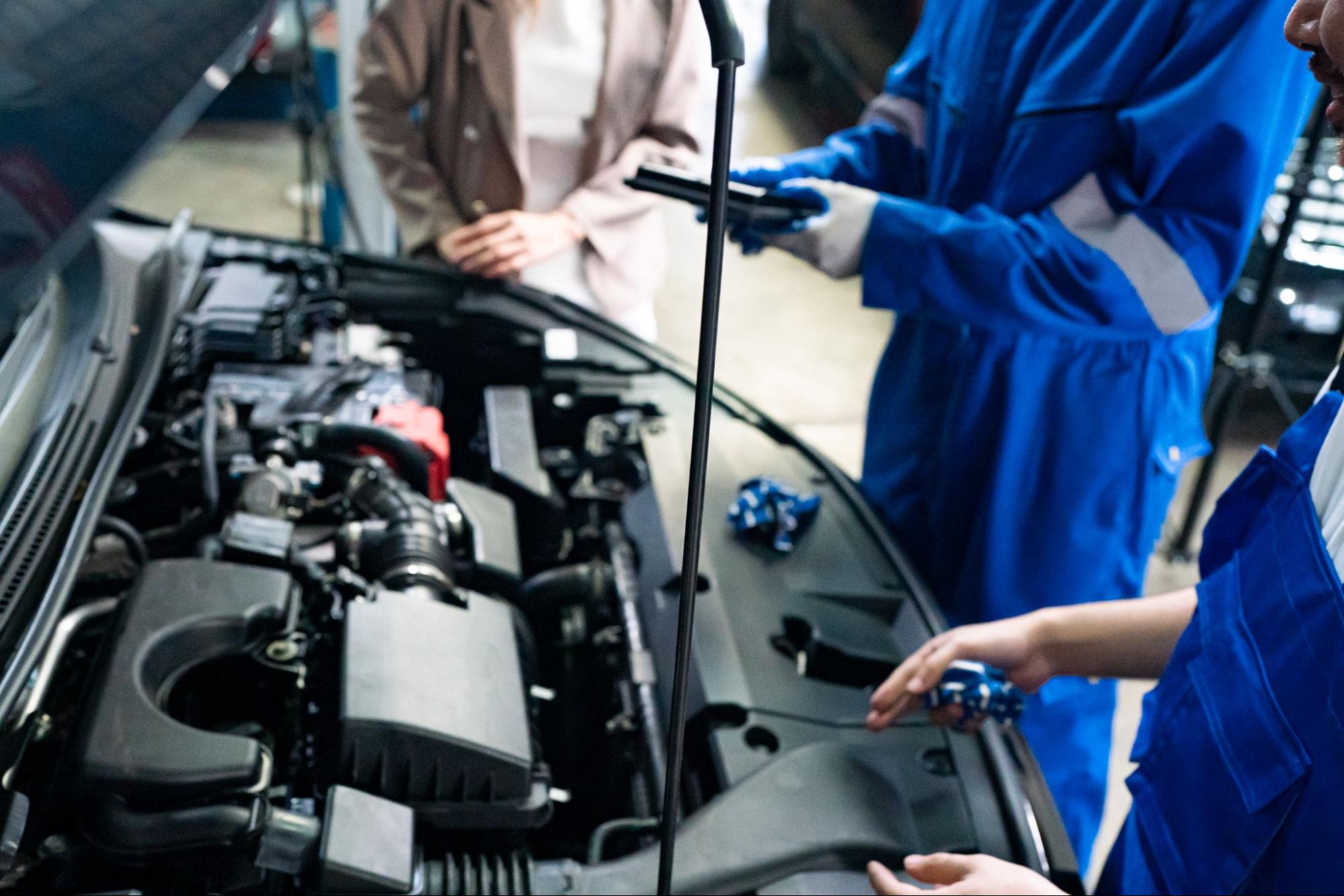
Monitoring coolant and other fluids prevents overheating and mechanical damage. Coolant regulates engine temperature and protects internal passages from corrosion. Transmission fluid lubricates gears and enables smooth shifting. Brake fluid maintains hydraulic pressure for consistent stopping power. This fluid system requires periodic inspection to maintain performance and safety. Monthly level checks help drivers avoid severe overheating or transmission failure.
Inspect Belts and Timing Components
Inspecting belts and timing components prevents sudden engine failure. Serpentine belts drive essential accessories such as the alternator and water pump. A worn belt may crack, slip, or snap during operation. Timing belt failure can cause internal engine damage in some vehicles. Replacing these components at recommended intervals avoids extensive repair costs. Scheduled inspections protect critical moving parts from unnecessary strain.
Address Warning Lights Immediately
Addressing warning lights promptly prevents minor issues from escalating. Dashboard indicators signal issues within the engine, emissions, or fuel systems. Ignoring these alerts often leads to deeper mechanical complications. Diagnostic scans help identify specific problems before they escalate. Repairing a sensor or small component costs less than correcting extended damage. Prompt attention supports engine reliability and controlled expenses.
Use Tire Maintenance Tips to Cut Fuel Costs
Tire maintenance directly influences fuel consumption and replacement frequency. Proper tire care reduces rolling resistance and improves road contact. Drivers who neglect tires often experience uneven wear and premature replacement. This consistent attention lowers fuel expenses and extends tire lifespan.
Maintain Proper Tire Pressure Monthly
Maintaining correct tire pressure reduces drag and supports even tread wear. Underinflated tires force the engine to work harder and burn more fuel. Overinflated tires decrease traction and create uneven contact with the road. Drivers should check pressure at least once each month using a reliable gauge. Temperature changes can alter pressure, especially during seasonal shifts. Keeping tires properly inflated improves mileage and driving stability.
Rotate and Align Tires on Schedule
Rotating and aligning tires promotes balanced wear across all wheels. Front tires often wear faster due to steering and weight distribution. Regular rotation distributes the wear evenly and extends usable tread life. Misalignment causes pulling sensations and uneven tread patterns. Correcting alignment improves steering control and reduces suspension strain. This routine service delays costly tire replacement and supports smoother handling.
Inspect Tread Depth Regularly
Inspecting tread depth helps maintain safe traction and braking performance. Worn tread reduces grip on wet or slippery roads. Drivers can measure tread depth using simple tools or inspection methods. Uneven tread patterns may indicate alignment or suspension issues. Replacing tires before they become dangerously thin prevents accidents. Timely replacement avoids damage to suspension components caused by poor traction.
Balance Tires to Prevent Vibration
Balancing tires distributes weight evenly around the wheel assembly. Unbalanced tires cause vibration at higher speeds. Persistent vibration stresses suspension and steering components. Addressing the imbalance improves ride comfort and handling precision. Tire balancing typically accompanies rotation services at repair shops. Regular balancing reduces long-term wear on related systems.
Practice Brake Maintenance to Prevent Repairs
Brake maintenance protects both safety and financial stability. Drivers who replace worn components promptly avoid damaging surrounding parts. Consistent brake inspections limit repair scope and reduce total service costs. This responsible habit keeps stopping performance dependable in daily driving.
Replace Worn Brake Pads Promptly
Replacing brake pads on time prevents damage to expensive rotors. Brake pads gradually thin through friction during normal use. When drivers ignore this wear, metal backing plates contact the rotors, causing scoring. Rotor resurfacing or replacement costs far more than new pads. Routine inspections identify pad thickness before damage spreads. Maintaining fresh pads keeps braking smooth and controlled.
Maintain Clean Brake Fluid
Maintaining clean brake fluid supports consistent hydraulic pressure within the system. Brake fluid absorbs moisture over time, reducing its effectiveness. Excess moisture can corrode internal components and reduce braking responsiveness. Flushing old fluid restores system reliability and pedal feel. Most manufacturers recommend fluid replacement at scheduled intervals. Following that schedule prevents costly hydraulic system repairs.
Inspect Rotors and Calipers
Inspecting rotors and calipers prevents uneven braking and premature wear. Warped rotors cause vibration when slowing down. Sticking calipers create uneven pad contact and overheating. Technicians can measure rotor thickness during routine service visits. Replacing worn components early prevents damage to adjacent brake parts. Careful inspection maintains consistent braking performance and reduces repair costs.
Improve Driving Habits to Lower Wear Costs
Driving habits influence how quickly vehicle components wear down. Smooth operation reduces stress on the engine, transmission, and brakes. Drivers who adopt measured acceleration and braking protect critical systems. This behavior complements regular car maintenance and reduces overall expenses.
Avoid Aggressive Acceleration and Braking
Avoiding aggressive acceleration reduces strain on engine and transmission components. Rapid starts increase fuel consumption and mechanical stress. Sudden braking accelerates brake pad and rotor wear. Gradual speed changes improve fuel efficiency and control. Drivers who anticipate traffic conditions reduce the frequency of hard stops. Controlled driving extends component life and lowers maintenance frequency.
Reduce Frequent Short Trips
Reducing frequent short trips minimizes cold start strain on the engine. Engines experience higher friction before reaching optimal temperature. Repeated cold starts can affect battery life and fuel efficiency. Combining errands allows the engine to operate within its intended temperature range. This driving adjustment lowers wear on internal components. Fewer cold cycles translate into lower long-term service costs.
Avoid Excessive Idling
Avoiding excessive idling reduces unnecessary engine wear and fuel waste. Idling consumes fuel without advancing mileage or productivity. Prolonged idling also increases carbon buildup inside engine components. Shutting off the engine during extended waits conserves fuel. Modern engines do not require long warm-up periods before driving. Reducing idle time supports both engine health and fuel savings.
Maintain Your Car With These Smart Practices
Car maintenance delivers measurable savings when you treat it as a fixed responsibility rather than a flexible option. Consistent inspections and timely servicing reduce the risk of costly breakdowns and extended downtime. Small, disciplined actions protect high-value components from premature wear. Maintain your car with intention, and rely on trusted professional auto services when repairs or diagnostics require expert attention to keep your vehicle reliable and cost-efficient.
Looking for reliable vehicle care advice you can trust? Read the latest posts on the Howard Fleet & Tire Service blog and plan your next service with confidence.