
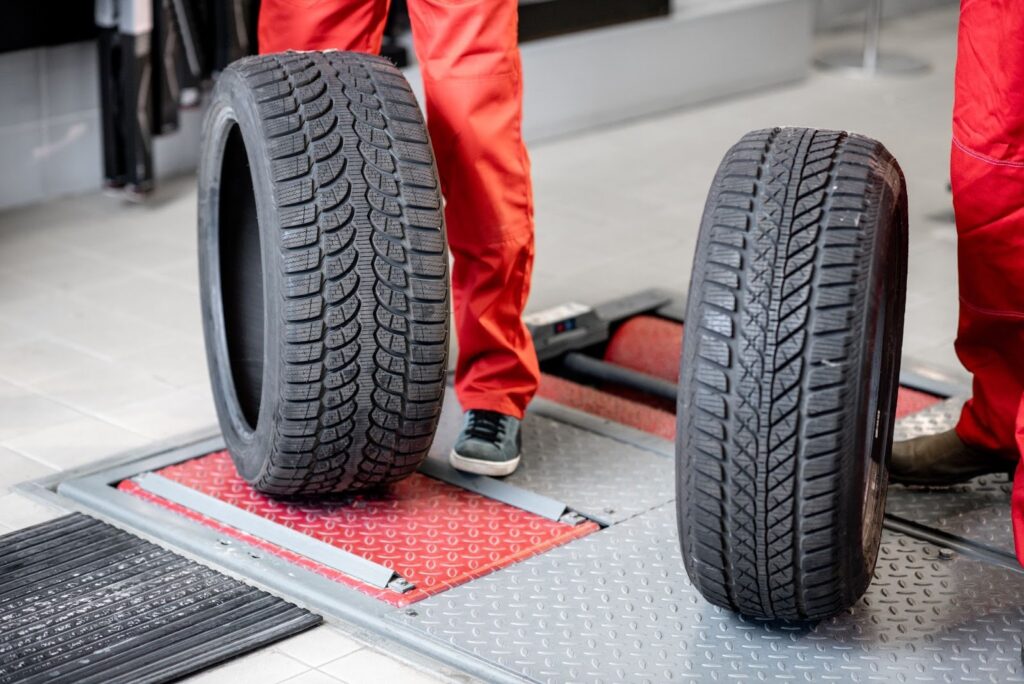
Most vehicle owners want dependable handling and fewer surprise repair bills. Tire maintenance often feels routine, yet it directly affects safety and fuel costs. Many drivers still ask how often tires should be rotated and why timing matters. Rotation intervals influence tread life, braking stability, and long-term performance. Understanding the right schedule helps you protect both your vehicle and your budget every time you drive.
What Tire Rotation Means for Drivers
Tire rotation means moving each tire to a different position on the vehicle to balance wear. This service spreads road stress evenly across all four tires. When tread wear is similar, the vehicle maintains predictable traction. Balanced wear also extends overall tire life and supports steady handling.
How Tire Rotation Works in Practice
Tire rotation repositions tires according to a set pattern that matches the drivetrain. Technicians move front tires to the rear or cross them, depending on design. This pattern reduces uneven tread wear caused by steering and braking forces. Directional tires require front-to-back movement without side switching. Service professionals follow manufacturer recommendations listed in the owner’s manual. This rotation process maintains consistent tread depth across the vehicle.
Why Tires Wear at Different Speeds
Tires wear at different speeds because each axle handles different mechanical loads. Front tires often carry more of the engine’s weight and handle steering. The rear tires in rear-wheel-drive vehicles handle the forces generated by acceleration. Road conditions, cornering habits, and braking intensity further influence wear patterns. Additionally, improper inflation accelerates uneven tread wear. This uneven wear shortens tire lifespan if drivers ignore rotation schedules.
How Rotation Extends Tire Life
Tire rotation extends tire life by preventing one tire from wearing out before the others. Even tread depth allows all four tires to reach their expected mileage. Manufacturers design tires to perform best with balanced wear. When one axle wears faster, performance becomes inconsistent. Regular rotation maintains uniform contact with the road surface. This maintenance habit reduces the need for premature tire replacement.
Recommended Tire Rotation Mileage
Most vehicles require tire rotation every 5,000 to 7,500 miles. This mileage range aligns with common oil change intervals. Car manufacturers publish similar guidance in their service manuals. Following these intervals keeps tread wear balanced and predictable.
Standard 5,000–7,500 Mile Rule
The standard rotation interval for most passenger vehicles is between 5,000 and 7,500 miles. Automotive maintenance data from leading tire brands supports this range. This interval allows drivers to correct wear before it becomes uneven. Many service centers recommend rotating tires during every oil change for convenience. Consistent scheduling simplifies maintenance planning and reduces guesswork. This mileage guideline works well for daily commuting and moderate driving habits.
When to Rotate Tires More Often
Some driving conditions require rotation closer to 5,000 miles. Frequent city driving increases the strain on the front tires from braking and steering. Drivers who tow trailers place added stress on rear tires. Rough roads, potholes, and gravel surfaces accelerate tread wear. High-performance vehicles with softer rubber compounds also wear faster. This driving pattern demands closer monitoring of tread depth and rotation timing.
Manufacturer Recommendations Matter
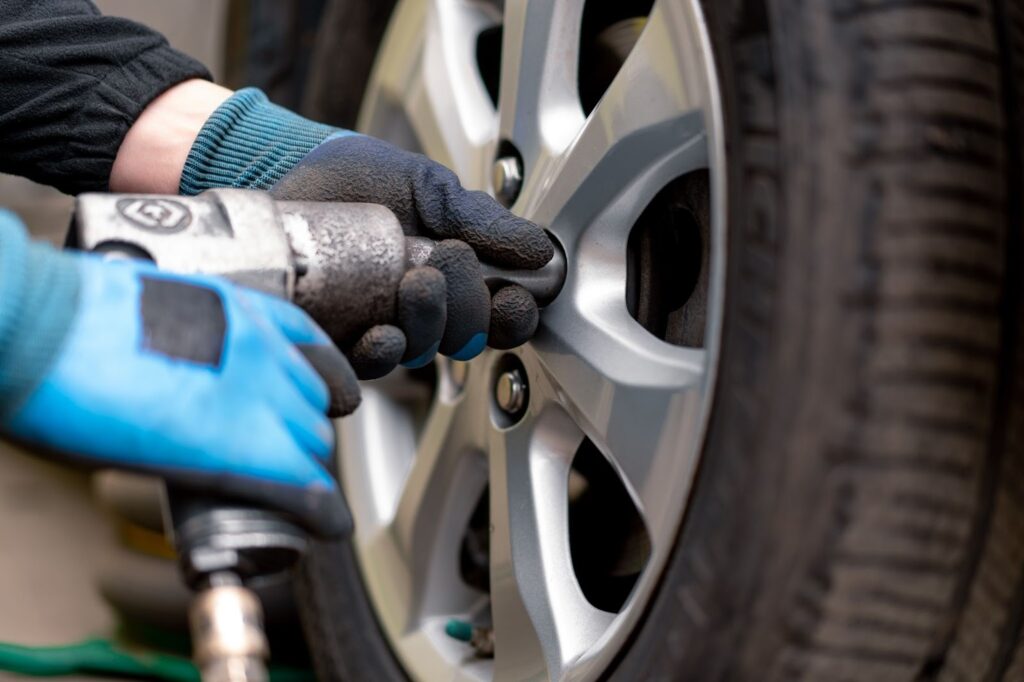
Manufacturer recommendations provide the most accurate rotation guidance for your vehicle. Engineers design service intervals based on drivetrain, weight distribution, and suspension geometry. The owner’s manual lists precise mileage intervals and rotation patterns. Ignoring those guidelines may affect warranty coverage in some cases. Service advisors often reference these specifications during maintenance visits. This manufacturer guidance removes uncertainty about proper scheduling.
Tire Rotation by Drivetrain Type
Drivetrain type directly affects tire wear and tire rotation frequency. Front-wheel-drive, rear-wheel-drive, and all-wheel-drive systems distribute power differently. These differences create varied stress patterns across the tires. Understanding your drivetrain helps you follow a more accurate rotation schedule.
Front-Wheel Drive Rotation Needs
Front-wheel-drive vehicles wear out their front tires faster because they handle steering and acceleration. This setup places greater pressure on the front axle during daily driving. Technicians usually apply a forward cross pattern for rotation. Drivers should rotate these tires around every 5,000 to 6,000 miles. Consistent rotation prevents premature wear on the front pair. This drivetrain configuration benefits from close monitoring of front tread depth.
Rear-Wheel Drive Rotation Patterns
Rear-wheel drive vehicles send engine power to the rear axle. Rear tires handle acceleration while front tires manage steering. This distribution creates different but still uneven wear patterns. Technicians often use a rearward cross rotation pattern. Regular rotation keeps both axles from wearing at different rates. This balanced approach reduces the risk of replacing only one pair early.
All-Wheel Drive Rotation Timing
All-wheel drive systems require even tread depth across all four tires. This system sends power to every wheel, increasing overall traction. Uneven tread can strain drivetrain components and lead to costly repairs. Many experts recommend rotating all-wheel drive vehicles every 5,000 miles. Consistent tread depth helps maintain stable performance in wet or snowy conditions. This balanced wear protects both tires and mechanical components.
Performance and Staggered Tire Setups
Performance vehicles sometimes use staggered tire setups with wider rear tires. This configuration limits traditional cross-rotation patterns. Drivers may only rotate tires from front to rear on the same side. Some high-performance models cannot rotate at all due to size differences. In these cases, careful monitoring of tread depth becomes even more critical. This specialized setup requires guidance from experienced service technicians.
Signs Your Tires Need Rotation
Tires often show visible signs when rotation is overdue. Drivers who monitor these signs can prevent uneven wear from worsening. Mileage intervals provide structure, yet physical inspection adds another layer of protection. Paying attention to early indicators reduces replacement costs.
Uneven Tread Depth and Patterns
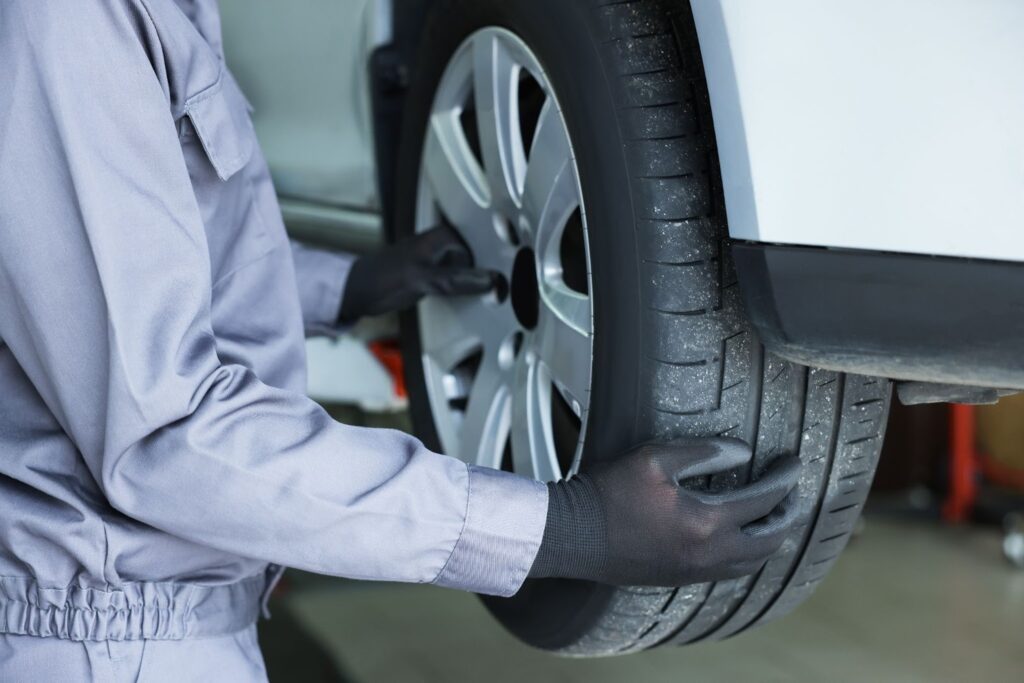
Uneven tread depth signals that rotation should occur soon. Inner or outer edges may appear more worn than the center. Feathering patterns, which feel smooth on one side and sharp on the other, suggest imbalance. Drivers can measure tread depth using a simple gauge or tread indicator bars. Consistent depth across all tires reflects balanced wear. This visual inspection offers a quick and reliable rotation reminder.
Steering Vibration or Road Noise
Steering vibration often indicates uneven tire wear. Drivers may notice shaking at higher speeds on highways. Increased road noise can also result from irregular tread patterns. The vehicle might drift slightly to one side during straight driving. These symptoms affect comfort and control. This handling change often improves after timely rotation.
Dashboard Alerts and Tire Sensors
Modern vehicles use tire pressure monitoring systems to detect pressure differences. While these sensors focus on inflation, uneven wear may trigger related warnings. Drivers should not ignore recurring alerts without inspection. Service technicians can evaluate both pressure and tread condition together. Regular rotation often corrects minor imbalance before sensors react again. This technology provides an additional reminder to check tire condition.
Tire Rotation vs Wheel Alignment
Tire rotation and wheel alignment address different mechanical concerns. Rotation balances tread wear by repositioning tires. Alignment adjusts suspension angles to maintain straight tracking. Both services support stable handling and longer tire life.
What Wheel Alignment Corrects
Wheel alignment corrects the angles at which tires meet the road. Technicians adjust camber, caster, and toe to factory specifications. Misalignment causes rapid edge wear on one side of the tire. Drivers may notice pulling or uneven steering response. Most service experts recommend checking alignment annually or after severe road impacts. This alignment service prevents premature tread loss and steering instability.
Why Rotation Does Not Replace Alignment
Rotation redistributes wear but does not correct suspension angles. If alignment remains off, uneven wear will continue. Drivers who skip alignment may see repeated edge wear after rotation. Combining both services protects the tire’s lifespan more effectively. Service centers often inspect alignment during routine maintenance visits. This combined approach supports consistent tire performance and safety.
Cost of Skipping Tire Rotation
Skipping tire rotation increases long-term vehicle expenses. Uneven wear forces drivers to replace tires sooner than expected. Replacing only two tires at a time disrupts tread balance. This imbalance can affect braking and traction performance.
Reduced Tire Lifespan and Safety
Unevenly worn tires lose traction faster, especially in wet weather. A shallow tread reduces water dispersion and increases the risk of hydroplaning. Drivers may experience longer stopping distances on slick roads. Additionally, inconsistent tread depth affects steering stability. Industry maintenance data shows regular rotation can extend tire life by thousands of miles. This maintenance habit protects both safety and financial investment.
Higher Long-Term Ownership Costs
Replacing tires prematurely increases overall ownership costs. Tires are among the largest routine vehicle expenses. Uneven wear may also increase fuel consumption due to higher rolling resistance. Drivers might face additional alignment or suspension repairs. Service records often reveal missed rotation intervals in these cases. This preventable expense adds up over the life of the vehicle.
Rotate Tires on Time to Avoid Costly Repairs
Rotating your tires every 5,000 to 7,500 miles keeps tread wear balanced and performance consistent. Drivetrain type, driving habits, and road conditions should guide your exact interval. Skipping rotation shortens tire lifespan, affects traction, and increases replacement costs over time. Regular tire services, including rotation, balancing, alignment checks, and tread inspections, protect handling and fuel efficiency. Schedule a professional tire rotation to keep your vehicle reliable and prepared for every mile ahead.
Small maintenance decisions shape long-term performance. Explore expert tire care tips on the Howard Fleet & Tire Service blog and schedule your next service with confidence.