
A smooth drive depends on how evenly your tires rotate at every speed. Many vehicle owners feel subtle vibrations yet ignore them for weeks. Those vibrations often point to an imbalance that grows worse over time. So what is tire balancing, and why does it affect safety and repair costs? Understanding how proper wheel balance works helps you protect your tires, suspension, and overall driving comfort.
What is Tire Balancing? Definition and Basics
Tire balancing corrects uneven weight distribution in a mounted tire and wheel assembly. Manufacturers build tires with precision, yet small weight differences still occur. These minor variations create heavier spots that disrupt rotation at higher speeds. Correcting those differences restores smooth wheel movement and protects related vehicle systems.
How Tire Balancing Works in Practice
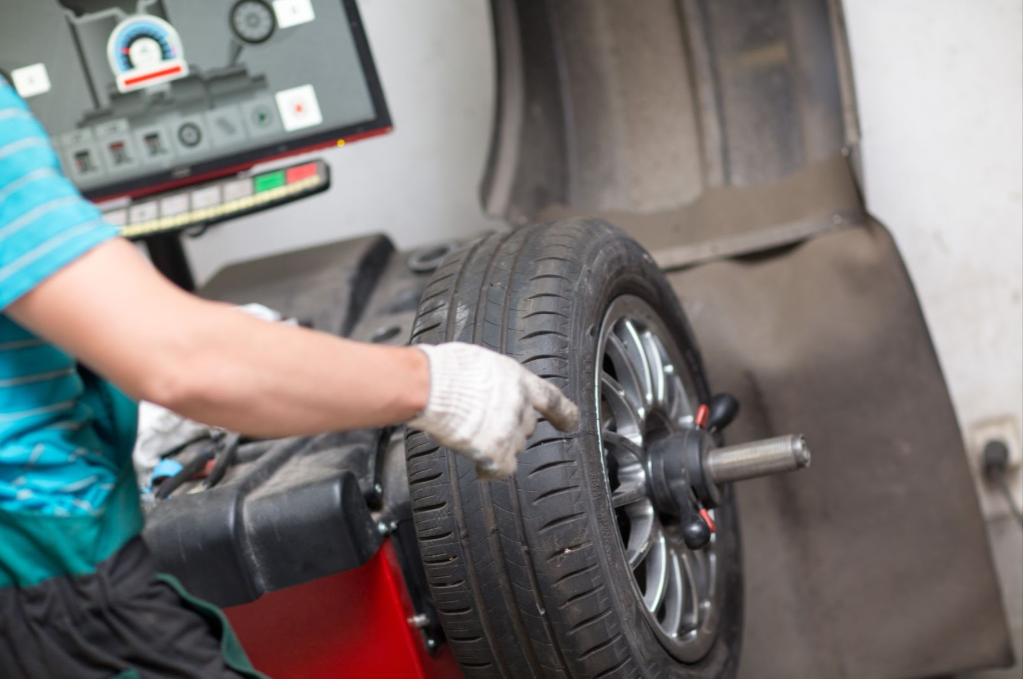
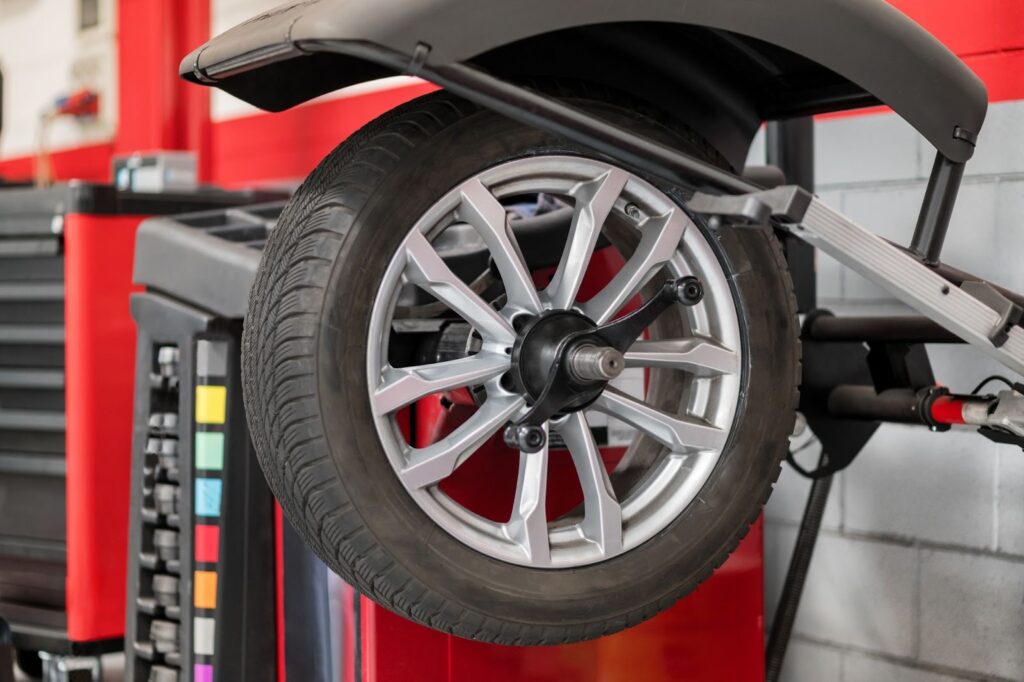
Tire balancing works by identifying and correcting the wheel assembly’s heavy spots. Technicians remove the wheel and mount it on a computerized balancing machine. The machine spins the wheel and measures vibration at controlled speeds. Sensors detect where excess weight concentrates and calculate precise correction points. Technicians attach small metal or adhesive weights to offset the imbalance. After verifying accuracy with a second spin, they reinstall the wheel once the rotation remains stable within manufacturer standards.
What Causes Tire Imbalance Over Time
Tire imbalance develops from normal wear, manufacturing tolerances, and road impact. Rubber compounds shift slightly as miles accumulate and tread wears down. Wheel weights can also loosen or fall off after hitting potholes. Even small debris trapped inside a tire can alter weight distribution. Seasonal temperature changes may also influence air pressure and performance. These everyday factors make periodic balancing a necessary part of vehicle ownership.
How Small Weight Differences Create Vibration
A tire does not need a large defect to cause noticeable shaking. Even a fraction of an ounce of uneven weight affects high-speed rotation. As the wheel spins faster, centrifugal force amplifies that imbalance. This amplified force travels through the suspension and steering system. Drivers then feel vibration in the steering wheel or cabin. Correcting these tiny discrepancies restores smooth and predictable motion.
Tire Balancing vs Wheel Alignment
Tire balancing fixes uneven rotational weight, while wheel alignment adjusts wheel angles. Both services improve ride quality, yet they solve different problems. Confusion between them often leads to delayed maintenance. Understanding the distinction helps drivers make informed service decisions.
Key Mechanical Differences Explained
Wheel alignment focuses on camber, caster, and toe angles that control tire direction. These angles determine how tires meet and track along the road. Misalignment causes pulling to one side and uneven edge wear. Tire balancing, however, addresses vibration from uneven mass distribution. Alignment affects steering geometry, while balancing affects rotational stability. Each service supports tire longevity differently.
Symptoms of Alignment Issues
Alignment problems often appear as steering drift or uneven shoulder wear. Drivers may notice the vehicle pulling left or right on straight roads. The steering wheel may sit off-center even when driving straight. Tires can wear more heavily on inner or outer edges. Fuel efficiency may decline due to increased rolling resistance. A professional alignment corrects these directional and angle-related concerns.
When You May Need Both Services
Certain situations require both balancing and alignment. For example, after hitting a deep pothole, both weight distribution and wheel angles may shift. Suspension repairs can also affect alignment and balance simultaneously. Technicians often inspect both systems during tire service appointments. Addressing both issues together restores optimal performance. This combined approach supports smoother handling and longer tire life.
Why Proper Tire Balancing Matters
Proper tire balancing reduces vibration, which can gradually damage vehicle components. Even a minor imbalance can strain suspension parts and wheel bearings over time. This mechanical stress increases repair expenses and decreases ride comfort. Maintaining a correct balance supports stability, efficiency, and safer driving conditions.
Impact on Tire Wear and Longevity
Balanced tires maintain consistent contact with the road surface. When an imbalance occurs, certain tread areas strike the pavement harder than others. This uneven contact creates scalloped or cupped wear patterns. Drivers often replace tires sooner than expected due to this irregular wear. Given the rising cost of quality tire brands, premature replacement becomes more expensive. Routine balancing distributes road force evenly and extends usable tread life.
Effect on Suspension and Steering Systems
Unbalanced wheels transmit repeated vibration into suspension components. Parts such as struts, shocks, and ball joints absorb continuous stress. Over time, these components may loosen or wear faster than intended. Steering systems can also lose precision due to persistent shaking. This mechanical strain may lead to costly repairs if left unresolved. Balanced tires reduce unnecessary stress and help preserve system integrity.
Influence on Fuel Efficiency and Comfort
Imbalanced tires create inconsistent rolling resistance across each rotation. The engine must work harder to maintain a steady speed. This added effort increases fuel consumption over the course of months of driving. Additionally, vibration reduces cabin comfort during longer trips. Drivers may feel fatigue sooner because of constant shaking. Proper balancing supports smoother rides and improved overall efficiency.
Common Signs Your Tires Need Balancing
Tire imbalance usually manifests as noticeable changes in driving. Drivers often feel vibration at moderate or highway speeds. These symptoms rarely resolve on their own. Recognizing them quickly helps prevent wider mechanical damage.
Steering Wheel Vibration at Speed
Steering wheel vibration between 50 and 70 miles per hour often signals a front tire imbalance. The shaking typically fades at lower speeds and returns consistently on highways. A rear tire imbalance may cause vibration in the seat or on the floor. This difference helps technicians determine which wheels require correction. Ignoring this warning allows uneven wear to progress rapidly. Prompt balancing restores smoother control and reduces steering strain.
Uneven or Cupped Tread Wear
Cupped tread wear appears as dips or scalloped areas across the tire surface. Drivers can often feel an uneven texture by running a hand along the tread. This irregular wear reduces traction on wet or uneven roads. Additionally, uneven contact increases road noise and vibration. Continued driving under these conditions accelerates tire deterioration. Professional balancing corrects the rotational issue and helps stabilize further wear.
Increased Road Noise and Cabin Shaking
Persistent humming or droning sounds may indicate an imbalance. As the tire rotates unevenly, it creates irregular contact with the pavement. This irregular pattern generates additional road noise inside the cabin. Drivers may also notice subtle shaking in the seats or floorboards. Over time, the vibration can worsen as tread wear increases. Addressing the issue early keeps the driving experience quieter and more stable.
When Should Tires Be Balanced?
Tires should be balanced during installation and at regular maintenance intervals. Most automotive service providers recommend balancing every 5,000 to 7,000 miles. Driving conditions and road hazards can shorten that timeframe. Staying consistent with service helps maintain steady performance and lower repair costs.
After New Tire Installation
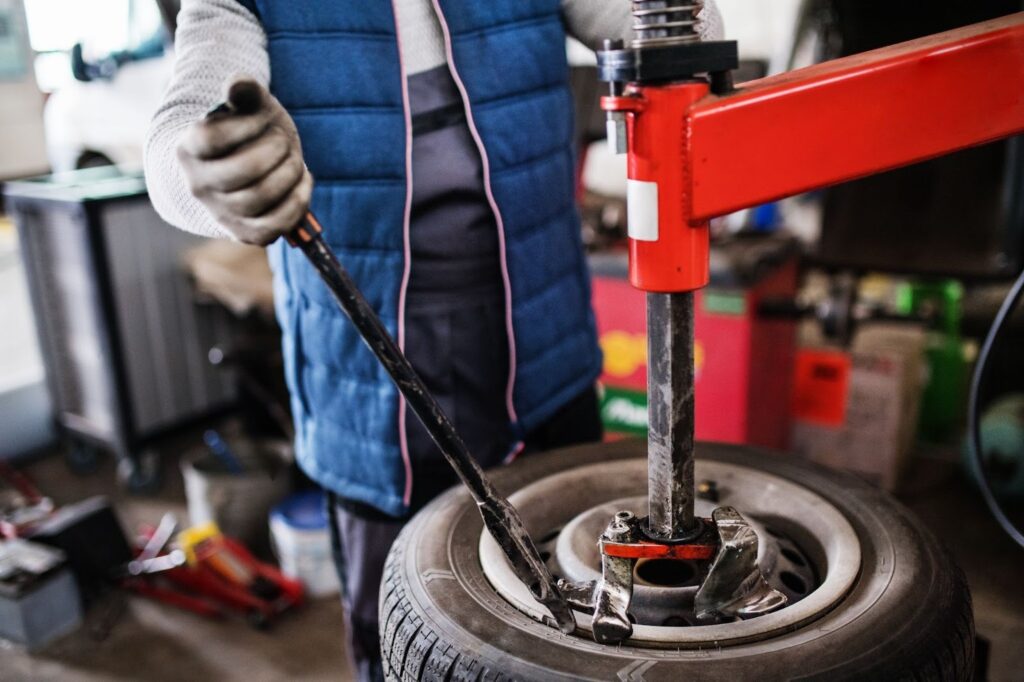
New tires require balancing before technicians complete installation. Manufacturing tolerances create slight weight differences in every tire. Even premium brands cannot eliminate minor density variations. Without balancing, drivers may experience vibration immediately after installation. This installation step establishes even rotation from the beginning. Balanced tires maximize performance and protect your purchase.
During Routine Tire Rotation
Tire rotation involves moving tires to different positions on the vehicle. Technicians already remove wheels during this process. Adding balancing at the same time improves efficiency and convenience. Regular rotation combined with balancing promotes even tread wear. This routine maintenance supports long-term stability and smoother rides. Service centers often bundle these procedures to maintain consistent performance.
After Road Impacts or Repairs
Potholes, curbs, and debris can suddenly disrupt wheel balance. Suspension or brake repairs may also alter wheel dynamics. Drivers often notice a new vibration after such events. Scheduling a balance check verifies that the weight distribution remains correct. Technicians can inspect for hidden wheel or tire damage during the visit. Quick attention prevents broader mechanical issues from developing.
Types of Tire Balancing Methods
Service centers use several balancing methods based on vehicle design and performance needs. Each technique addresses different levels of imbalance. Modern equipment improves diagnostic precision and accuracy. Selecting the proper method enhances ride stability and control.
Static Tire Balancing
Static balancing corrects vertical imbalance in a single plane of rotation. Technicians focus on eliminating up-and-down vibration. This method works well for narrower tires and lighter vehicles. It requires fewer weight adjustments than advanced techniques. However, static balancing may not effectively address side-to-side forces. Some vehicles require more comprehensive correction.
Dynamic Tire Balancing
Dynamic balancing measures imbalance in multiple rotational planes. The machine identifies both vertical and lateral forces. Technicians place weights on the inner and outer rim edges accordingly. This dual correction improves precision for modern vehicles. Wider tires and higher speeds benefit greatly from this method. Most passenger cars today receive dynamic balancing during service.
Road Force Balancing Technology
Road force balancing simulates actual driving pressure during testing. A specialized roller presses against the tire while it spins. This process measures how the tire performs under real load conditions. Technicians can detect structural inconsistencies that standard balancing might miss. High-performance and luxury vehicles often benefit from this advanced approach. This technology delivers improved smoothness and reduced persistent vibration concerns.
Cost of Ignoring Tire Imbalance
Ignoring tire imbalance increases long-term vehicle expenses and safety risks. Small vibrations gradually develop into broader mechanical problems. Tire replacement and suspension repairs become more frequent over time. Addressing the imbalance promptly protects both safety and financial investment.
Accelerated Tire Replacement
Uneven wear shortens the usable life of each tire. Drivers may replace tires thousands of miles sooner than expected. Considering the cost of reputable tire brands and installation, this expense becomes substantial. Imbalance also reduces traction and overall performance. Replacing a full set represents a considerable financial commitment. Routine balancing helps prevent this avoidable cost.
Strain on Bearings and Suspension Parts
Continuous vibration places stress on wheel bearings and suspension joints. Bearings may wear more quickly under uneven rotational forces. Control arms and bushings absorb repeated shock from imbalance. Over time, this mechanical strain leads to component failure. Repairing suspension systems often requires labor-intensive service. Balanced wheels reduce stress and support longer component lifespan.
Reduced Driving Safety and Control
Vibration can interfere with precise steering response. At higher speeds, instability may increase driver fatigue. Reduced traction from uneven wear can affect braking performance. This safety risk grows more serious in wet or uneven road conditions. Drivers rely on stable tire contact for predictable handling. Maintaining proper balance supports consistent control and safer travel.
Protect Your Vehicle With Tire Balancing
Tire balancing keeps your vehicle stable, efficient, and comfortable at all speeds. Consistent maintenance reduces vibration that quietly damages critical systems. Automotive professionals recommend routine balancing as part of standard tire service. Scheduling regular balance checks supports safer driving and long-term reliability for every mile ahead.
Your tires tell a story every mile you drive. Read more practical maintenance tips on the Howard Fleet & Tire Service blog and keep your vehicle performing at its best.